What is a community pharmacist?
A community pharmacist is a licensed pharmacist who works in a retail, independent, grocery, clinic-connected, or other outpatient pharmacy setting. Community pharmacists dispense prescriptions, counsel patients, identify safety issues, provide immunizations or clinical services where allowed, coordinate with prescribers, and help patients manage medication access and adherence.
Key facts
Use these facts as a quick orientation before reading the full guide. Exact requirements vary by school, pathway, and state.
| Role | Patient-facing pharmacist in outpatient pharmacy settings |
|---|---|
| Degree path | PharmD and pharmacist licensure |
| Common settings | Chain pharmacies, independent pharmacies, grocery pharmacies, clinic-connected pharmacies, specialty or compounding pharmacies |
| Core work | Dispensing, counseling, medication safety, immunizations, adherence, access, and care coordination |
Main points
Community pharmacy is one of the most visible pharmacist roles. It can be fast-paced and service-oriented, with daily work shaped by patient questions, prescription volume, insurance issues, medication availability, immunizations, and coordination with prescribers.
Earn a PharmD from an accredited program
Students should build a foundation in therapeutics, medication safety, patient counseling, pharmacy law, immunization practice, and workflow management.
Become licensed as a pharmacist
Graduates must complete state licensure requirements, which commonly include the NAPLEX, a pharmacy law exam such as the MPJE or a state-specific alternative, and state board documentation.
Gain community pharmacy experience
Many students explore this path by working as pharmacy technicians, interns, or APPE students in community settings. Experience helps students understand pace, workflow, counseling, insurance, and patient-service expectations.
Build patient-care and operations skills
Community pharmacists need clinical judgment and operational judgment. Skills such as counseling, immunization delivery, inventory awareness, insurance troubleshooting, and team leadership matter.
Consider ownership, management, or clinical services
Some community pharmacists move into pharmacy management, independent ownership, specialty services, compounding, immunization programs, medication therapy management, or chronic-care services.
What does a community pharmacist do?
Community pharmacists help patients obtain and use medications safely. They verify prescriptions, screen for interactions and allergies, counsel patients, contact prescribers, administer vaccines where authorized, manage workflow, supervise pharmacy teams, and help solve medication access issues.
- • Review prescriptions and screen for safety concerns
- • Counsel patients on medication use, side effects, and adherence
- • Provide immunizations and other patient-care services where authorized
- • Coordinate with prescribers and insurance plans
- • Supervise technicians, inventory, workflow, and patient-service priorities
Where community pharmacists work
Community pharmacists work in chain pharmacies, independent pharmacies, grocery or mass-market pharmacies, clinic-connected pharmacies, compounding pharmacies, specialty pharmacies, and outpatient pharmacy programs. Each setting can have different workflow, staffing, and patient-care expectations.
- • Chain and retail pharmacies
- • Independent community pharmacies
- • Grocery and mass-market pharmacies
- • Clinic-connected or health-system outpatient pharmacies
- • Compounding, specialty, or long-term care-adjacent pharmacy settings
Skills that matter in community pharmacy
Community pharmacy rewards pharmacists who can communicate clearly, manage competing priorities, lead teams, protect patient safety, and solve practical access problems while staying calm in a fast-paced environment.
- • Patient counseling and service orientation
- • Workflow and team leadership
- • Medication safety and pharmacy law awareness
- • Insurance, access, and adherence problem-solving
- • Clear communication with patients and prescribers
Community pharmacist career path options
Community pharmacy includes several practice models, each with different tradeoffs.
| Option | What it means | What to verify |
|---|---|---|
| Chain community pharmacist | Works in a high-volume retail environment with standardized systems | Staffing, schedule, workflow expectations, metrics, and support |
| Independent pharmacist | Works in or owns a locally operated pharmacy | Business model, service mix, community relationships, and ownership goals |
| Outpatient health-system pharmacist | Works in a pharmacy connected to a clinic or hospital system | Transitions-of-care role, clinic integration, and health-system workflows |
| Specialty or compounding pharmacist | Supports complex medication access, counseling, or customized formulations | Training, accreditation, workflow, payer requirements, and patient population |
How to decide if community pharmacy fits you
FAQs
Is community pharmacy the same as retail pharmacy?
The terms often overlap, but community pharmacy can also include independent pharmacies, grocery pharmacies, clinic-connected outpatient pharmacies, compounding, specialty, and other patient-facing outpatient models.
Do community pharmacists provide clinical services?
Many do, depending on state law, employer model, staffing, reimbursement, and training. Services may include immunizations, medication therapy management, adherence support, testing, or chronic-care support.
Do you need a residency to become a community pharmacist?
Usually not for entry-level community pharmacy roles, though residency, fellowship, ownership training, or specialty experience may help with certain clinical, management, academic, or specialized community pharmacy careers.
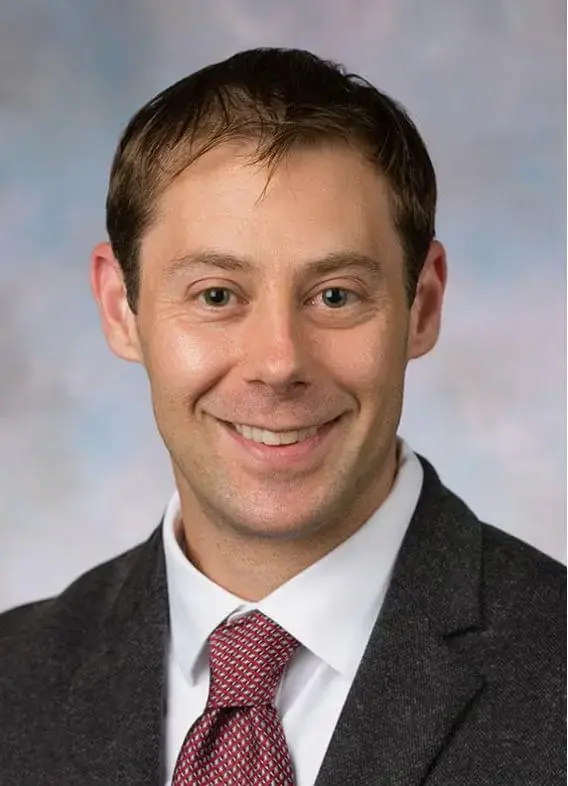
Jim Herbst, PharmD, BCPPS
Jim Herbst is an advanced patient care pharmacist at a nationally ranked pediatric acute care teaching hospital. He earned his Doctor of Pharmacy degree from The Ohio State University in 2012 and is board certified as a pediatric pharmacy specialist.
Opinions and information published by this author do not necessarily represent the views or opinions of his employer.
View author profile →